
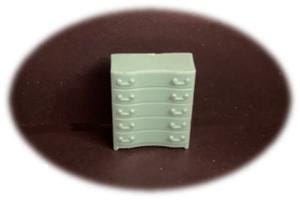
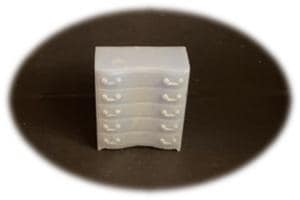
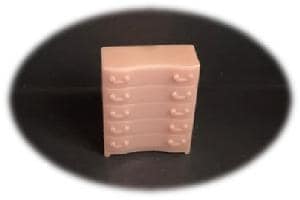
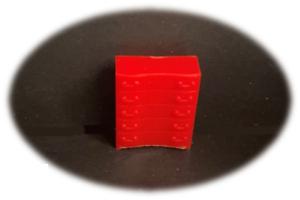
Allied / Pyro / Cheeiro / Kleeware Vintage Dollhouse Bedroom Furniture, 1/4" Scale, Hard Plastic
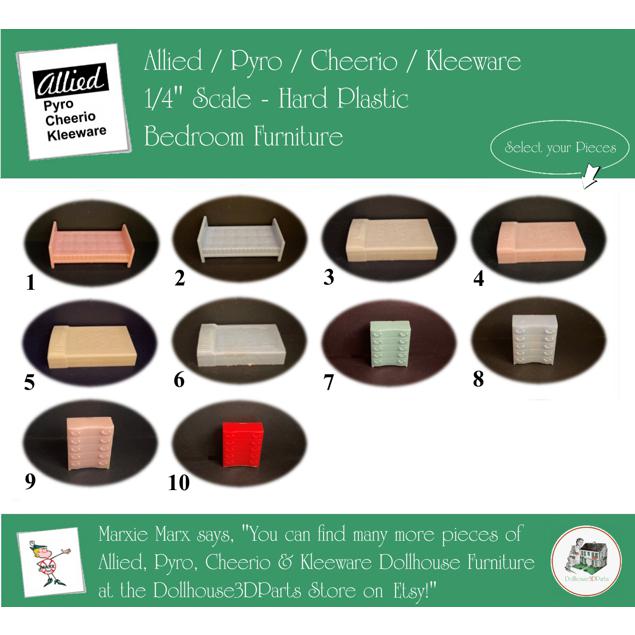
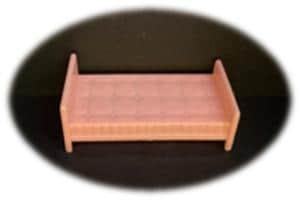
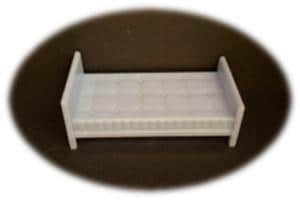
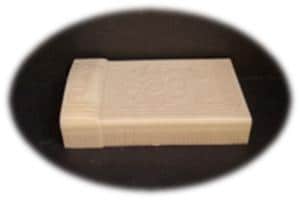
$3.50
Allied "Dolly's Furniture" is a fascinating, though sometimes overlooked, chapter in mid-century toy history. Produced primarily in the late 1940s and through the 1950s, this line was the Allied Toy Corporation's answer to the growing demand for realistic, affordable plastic miniatures during the post-war housing boom.
While they didn't reach the same massive scale as competitors like Marx or Renwal, Allied pieces have a distinct charm and specific quirks that collectors look for today.
1. Materials and Composition
Most Dolly's Furniture was made from hard polystyrene plastic. This was a significant shift from the lithographed metal or wood used in the pre-war era.
Colors: They were known for a "swirl" or marbled effect in their plastics, particularly in their "mahogany" or "walnut" finishes.
Scale: Most pieces are 1:48 scale (often called 1/4" scale), which was NOT the standard for most plastic dollhouse furniture of the 1950s.
2. Design Aesthetic
Unlike the sleek, futuristic lines seen in some 1950s "Atomic" furniture, Allied tended to lean toward Traditional and Colonial Revival styles.
Living Room: Features included wingback chairs, sofas with molded "fabric" textures, and upright pianos.
Dining Room: Often featured heavy-set pedestal tables and high-back chairs that mimicked the formal dining sets found in middle-class American homes of the era.
The "Dolly" Branding: The packaging was iconic, often featuring a small girl ("Dolly") on the box. Sets were frequently sold in "room groups" rather than individual pieces.
3. Key Identification Markers
Identifying Allied pieces can be tricky because they often lack the prominent "Marx" or "Renwal" stamps found on competitors' pieces.
The Underside: Look for a small, circular logo or the words "Allied Toy Corp" or "Dolly’s Furniture" molded into the plastic.
Simplicity: Compared to Renwal (which often had moving parts like opening drawers), Allied pieces were frequently solid-molded. While some cabinets did open, they were generally sturdier and less "fiddly" than other brands.
4. Allied "Dolly's Furniture" is 1:48 scale (1/4" scale).
This is a significant distinction, especially when you are looking for accuracy in miniature restoration or 3D printing. Because they occupy that specific Quarter Scale niche, they are essentially the "dollhouse for a dollhouse" size compared to the 1:12 or 1:16 standards.
Why the 1:48 Scale is Unique for Allied
In the 1950s, most plastic furniture was fighting for space in the 1:16 market. Allied (along with brands like Pyro and Cherrio) carved out a spot in the 1/4" scale world, which makes them highly compatible with specific types of small-scale displays:
Marx Tin Litho Houses: While Marx made their own furniture, Allied sets were often used as affordable "filler" for smaller Marx or Wolverine tin houses that didn't have much room for bulky 1:16 pieces.
Architectural Models: Because 1/4" is a standard architectural scale, Allied pieces were occasionally repurposed for building mockups.
The "Dainty" Factor: In this scale, a standard Allied dining chair is only about 0.75 inches (approx. 19mm) tall, which is exactly half the size of a 1:24 chair.
When it comes to the "Golden Age" of plastic dollhouse furniture, Pyro, Cheerio, and Kleeware represent a fascinating era of post-war manufacturing. While they are distinct brands, they are deeply interconnected through the exchange of molds and international distribution.
Other manufactures that used the Allied Dollhouse Furniture molds.
1. Kleeware (United Kingdom)
Kleeware is perhaps the most prominent of the three, produced by O. & M. Kleemann Ltd. in London.
Distinctive Features: Look for the "Kleeware" stamp, often found on the underside of tables or the back of cabinets.
The Connection: Kleeware frequently used molds from American companies (like Pyro) to produce items for the UK and European markets, making some pieces nearly identical to their US cousins.
2. Pyro (United States)
The Pyro Plastics Corporation, based in New Jersey, was a pioneer in the American plastic toy industry.
Materials: They primarily used polystyrene, which allowed for much finer detail than the wooden furniture that preceded it.
The Global Link: Pyro was a major exporter of molds. Many items that collectors find labeled as "Kleeware" or "Reliable" (in Canada) actually originated from Pyro designs.
3. Cheerio (Canada)
Cheerio Toys and Games is the most elusive of the trio for many collectors, but they played a vital role in the North American market.
Production: Like Kleeware, Cheerio often utilized molds from Pyro. In some cases, they modified the colors or plastic density, leading to slight variations that help collectors identify them.
The Yo-Yo Connection: Interestingly, the company is also famous for producing the "Cheerio Yo-Yo," but their dollhouse furniture remains a staple of vintage Canadian collections.
Condition: All items should be considered in good played-with condition.
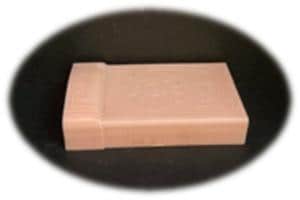
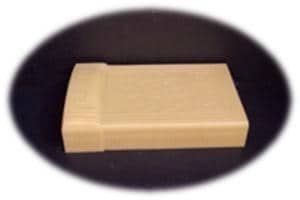
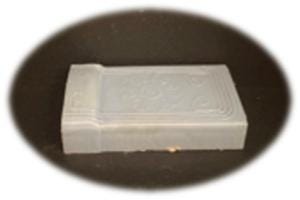
Important! I use stock photos to illustrate my items. Please understand that the piece of furniture you select may not be the EXACT piece depicted in the photo.
Please check out my many other dollhouse listings on Etsy
Thank you for considering a purchase
Shipping from United States
Processing time
1-2 business days
Customs and import taxes
Buyers are responsible for any customs and import taxes that may apply. I'm not responsible for delays due to customs.
Payment Options
Returns & Exchanges
I gladly accept cancellations
Request a cancellation within: 2 hours of purchase
I don't accept returns or exchanges
But please contact me if you have any problems with your order.
0 items in your cart